


Have You Heard of the ‘Emotional’ Summer Slide?
The school year is winding down, the days are getting longer, and the promise of summer break hangs in the air. For students, this often means freedom, fun, and a much-needed respite from homework and tests. However, while the break is crucial for rest and...
Does Your Family Fight Fair
When we think of family conflict, we often picture slammed doors, raised voices, and hurt feelings. While arguments are a normal part of life, they don’t have to be destructive. Learning to fight fair is a skill that can strengthen your family’s bond and...
Why Teen-Teacher Relationships Matter: A Guide for Parents

Building Trust with your Teenager
The teenage years are a time of significant change, not just for your child, but for your relationship with them. As they push for more freedom and independence, the dynamic between you shifts. This can be a challenging period, often marked by conflict and a feeling...
Navigating the Maze of Social Cliques: Inclusivity in Middle and High School
Middle and high school can be tumultuous years, marked by self-discovery, academic challenges, and forming lasting friendships. However, they can also be times of exclusion and social cliques, where some students feel left out. In this blog post, we’ll explore the...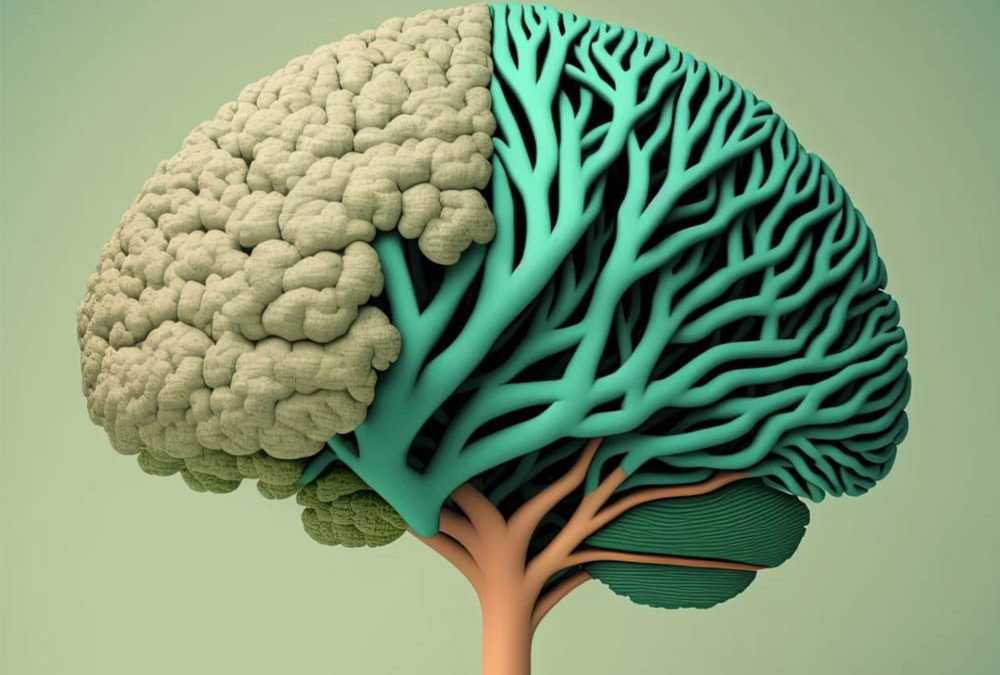
Emotional Intelligence Directly Impacts Learning
In the intricate landscape of youth development, emotions play a central role in shaping experiences, behaviors, and even the process of learning. The journey through adolescence is marked by both profound emotional shifts and substantial cognitive growth....
Navigating Social Media’s Impact on Teens: A Guide for Parents
In today’s digitally connected world, social media has become an integral part of teenagers’ lives. While it offers numerous benefits, it also comes with its fair share of dangers, particularly concerning the mental health of adolescents. As parents,...
Summer Sponges!
Our children are sponges and they learn from what they see within and beyond their home. Summer is a unique and fun time to expose our children to new ways of thinking, exploring and playing. Typically, when the school year kicks we are nonstop until a holiday, school...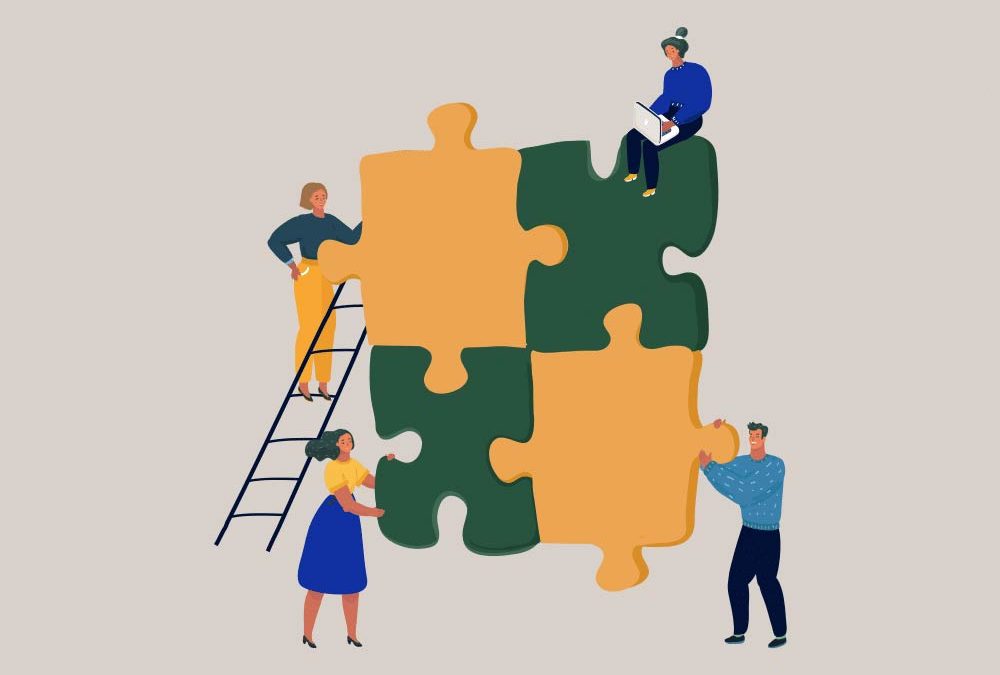
Understanding My Child’s Diagnosis?
When your child has been given a diagnosis, it can at times feel overwhelming not knowing exactly what it is, how it came to be and what are the best next steps to take to ensure your child’s wellbeing and health. So… we are here to help (schedule a...
Do antidepressants make you numb? Weighing the emotional impact of common depression drugs
As a child, Carly Terracciano watched as her younger sister grew up with a neurological disorder that severely impacted her speech, coordination, and overall brain development. The experience had a profound effect on Terracciano and sparked her interest in the human...